Today
Saturday, May. 18, 2013
Sunrise:
5:44 AM
Sunset:
8:22 PM
 
Hours
Open daily from June through November one hour after sunrise until one hour after sunset
Stats
Acres
596
Location
Warrenville, IL
Trails
3 Miles
Features
Parking
Restrooms
Latrines
Habitats
Prairie/
Grassland
Wetland
Woodland
Activities
Bicycling Fishing Hiking Horseback Riding Picnicking Wildlife Watching Winter Activities
 

St. James Farm

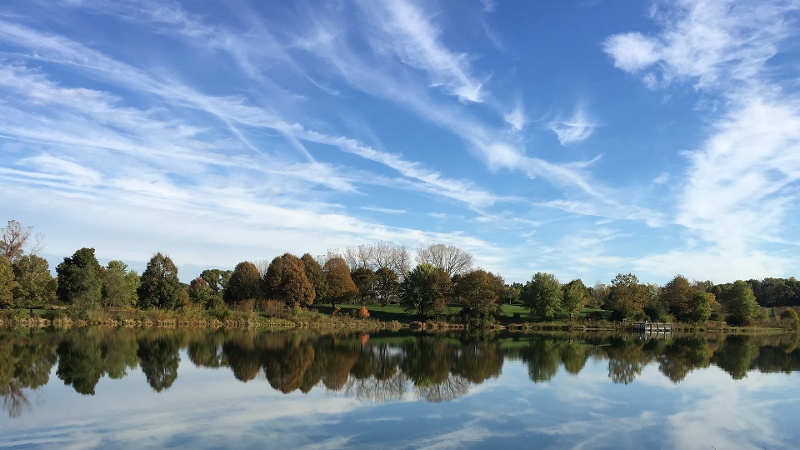
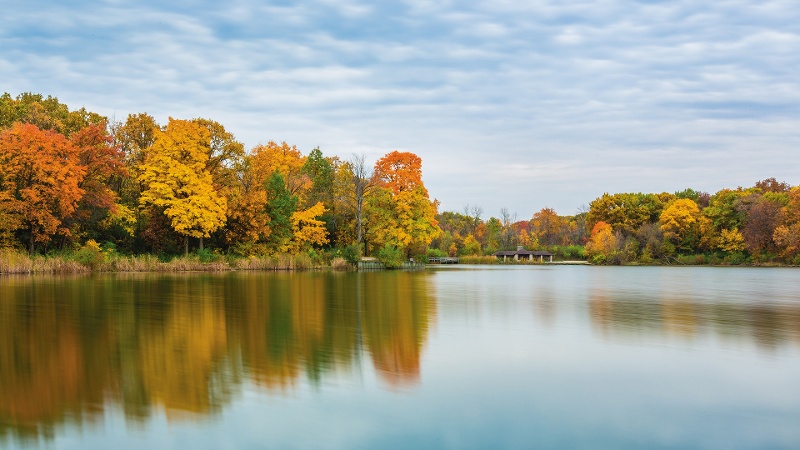
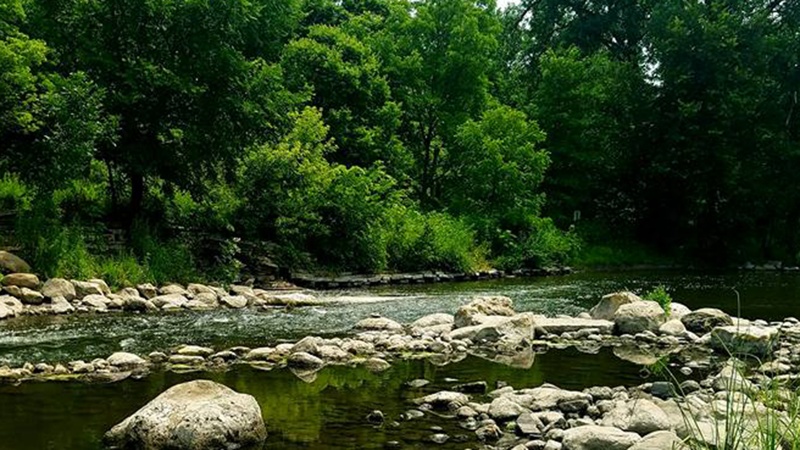
The 607-acre St. James Farm Forest Preserve in Warrenville contains over 100 acres of woodlands, prairies and wetlands, which are home to over 300 native plant species and wildlife like great blue herons, red-bellied woodpeckers, white-breasted nuthatches, coyotes, fox squirrels and white-tailed deer. Agricultural fields border these ecosystems on the north and south.

Preserve History

The first Europeans to settle on this land were farmers, and several structures from late-1800s farmsteads remain, including a gabled-roof-and-wing farmhouse, one of the last of its kind in DuPage County. A massive wood-planked German-style barn with cantilevered floors dates back to 1890, if not earlier, as do the remains of another barn’s fieldstone foundation.

For decades, though, the property was the retreat of the McCormick family. Chauncey and Marion McCormick acquired the initial 203 acres in 1920. Chauncey was the great-nephew of Cyrus McCormick, who invented the first commercially successful mechanical reaper and in 1851 co-founded the McCormick Reaper Works, which would merge with the Deering Harvester Company in 1906 to become the International Harvester Corporation.

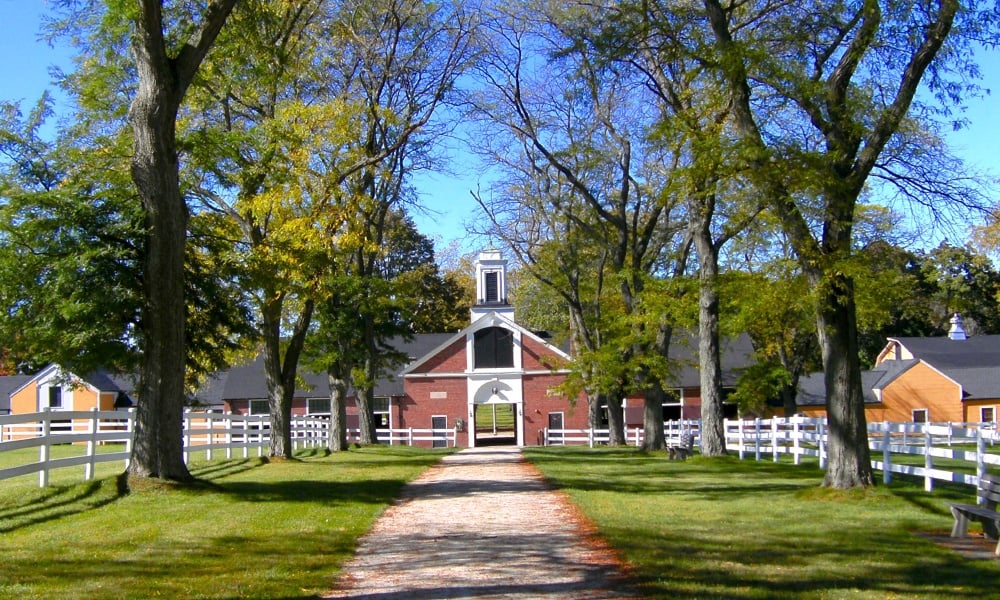
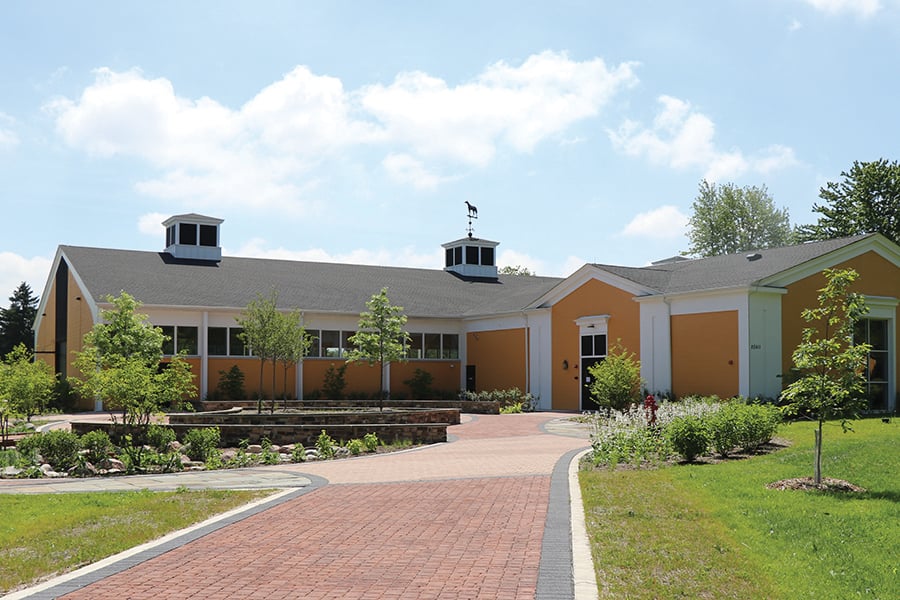
To accommodate their interest in horseback riding, the couple built a Colonial-style brick stable with stalls lined with wood and iron posts from England. To support their growing, award-winning herd of Guernsey cows, they constructed a state-of-the-art dairy barn with roomy stalls and assorted outbuildings. For the better part of two decades, the buildings housed a dairy operation that was a benchmark for farmers throughout the Midwest.

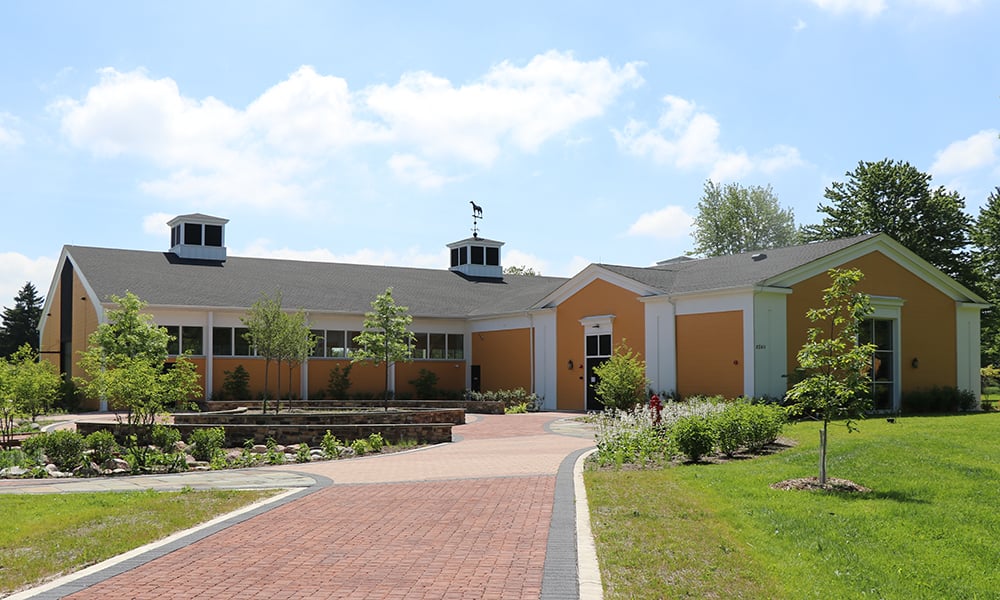
In the late 1950s, the property passed to the McCormicks’ son Brooks, who managed the estate with his wife, Hope. They built the estate’s indoor arena, which not only accommodated their black-tie events but also later served as the St. James Riding School for the Handicapped, one of the McCormicks’ charitable interests. Not until his retirement from International Harvester in 1980, though, did Brooks begin to aggressively develop the estate’s renowned equestrian facility, which would include a 62-stall stable for competitors’ horses, a 1.5-mile steeplechase track, a 200-seat concession area, and dressage and jumping arenas. St. James Farm hosted several international eventing and dressage competitions during this time as well as an annual steeplechase race, which drew up to 10,000 spectators and raised funds for the Marianjoy Rehabilitation Hospital.

In 2000, Brooks McCormick sold St. James Farm to the Forest Preserve District of DuPage County, retaining a life estate that gave him the right to live on the property until his death, which occurred in 2006. In July 2007, the Forest Preserve District officially took possession of the property.

Recreation

Trails

Three mowed-grass trails totaling 3.4 miles lead hikers, bikers, horseback riders and cross-country skiers through the preserve’s natural areas. Visitors on the Illinois Prairie Path can enter from Hoy Avenue. Interpretive signs along tree-lined promenades called “allées” relate the history of the estate.

Picnicking

Several picnic tables near the former dressage arenas offer ideal places for lunch breaks and rest stops. Groups can reserve the preserve’s 150-person shelter by calling Visitor Services at (630) 933-7248 but must do so at least three business days before their visit.

Fishing

The front pond offers largemouth bass, bluegills and catfish for catch-and-release fishing. Anglers 16 or older who are not legally disabled must carry valid Illinois sport fishing licenses, and all anglers must follow all District and state regulations.

Artwork

Many pieces commissioned by the McCormick family remain at the forest preserve today.

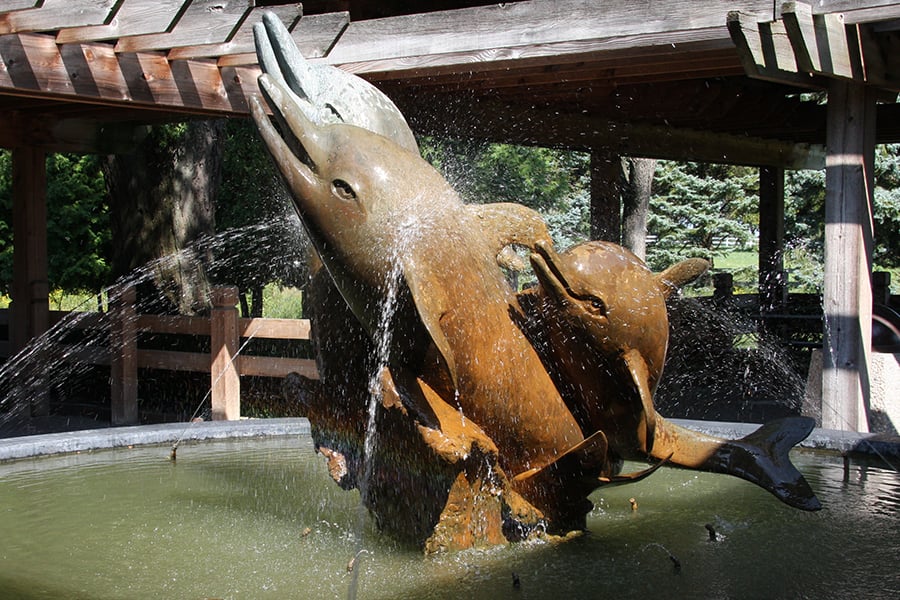
Dolphins Fountain

This fountain of three life-sized leaping dolphins is by Italian sculptor Fioré de Henriquez, who worked with clay, stone and bronze.

Fiona and Something Special Relief

Brooks McCormick commissioned Fioré de Henriquez in 1987 to create a bronze relief of his granddaughter Fiona and her horse Something Special. Relief sculpture — a two-dimensional form — was first introduced by Italian artists during the early 1800s. Artists use clay originals to create intermediate casts, which they then use to form the bronze sculptures.

Water-Trough Fountain

Created by Marcia Weese in 1985, this granite, marble and copper fountain resembles a water trough. Water flows from copper pipes to an elevated trough and falls into marble pools. Although the fountain was created for aesthetic reasons, equestrian competitors often used it to water their horses.

Red Brick Wall

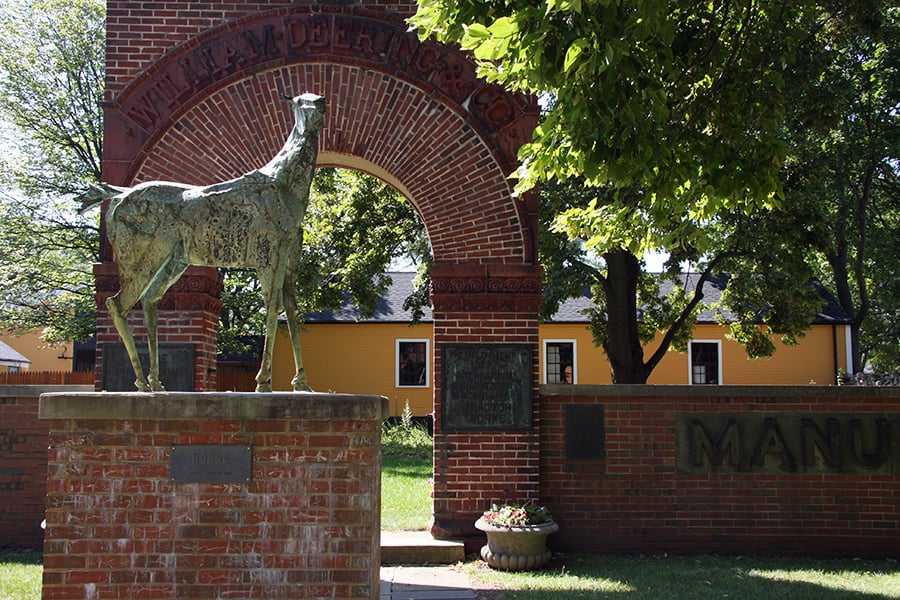
To augment the landscaping, Brooks and Hope McCormick installed the columns and archway from the entrance to the old William Deering and Company facility in the farm’s courtyard. The stone wording on the wall is from the McCormick Reaper Manufactory, which was rebuilt after the Great Chicago Fire of 1871. The International Harvester Corporation insignia is on the west end of the wall, and tablets from International Harvester Tractor Works and Milwaukee Works hang from the wall and columns.

Horse Sculpture

Carole Harrison brazed and then appliquéd sheets of copper to create this abstract, which she completed in 1962. Hope McCormick purchased it as a gift for her husband, Brooks.

Stable Mural

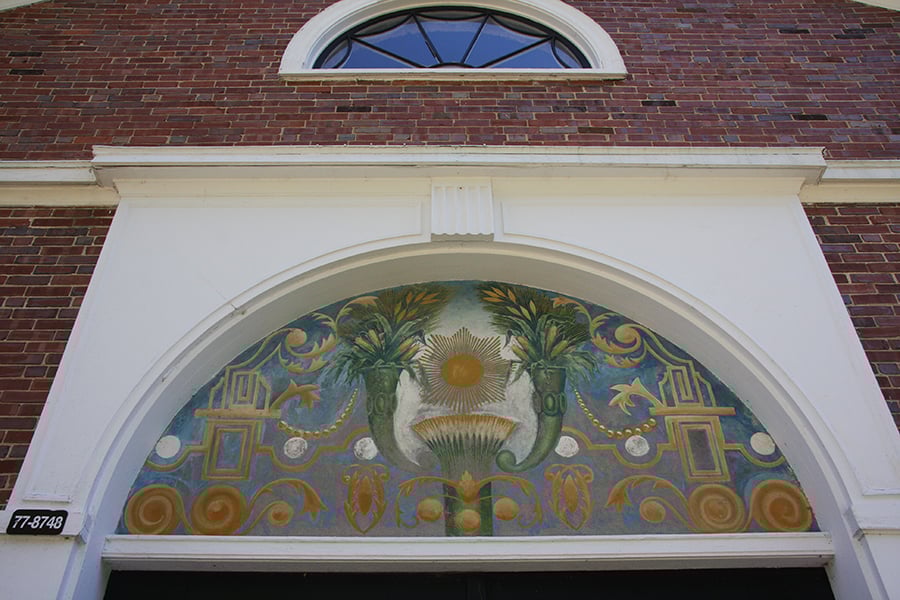
This art deco oil painting above the stable’s west entry dates back to Chauncey and Marion McCormick’s time at the estate in the 1930s.

“I Saw a Child” Relief

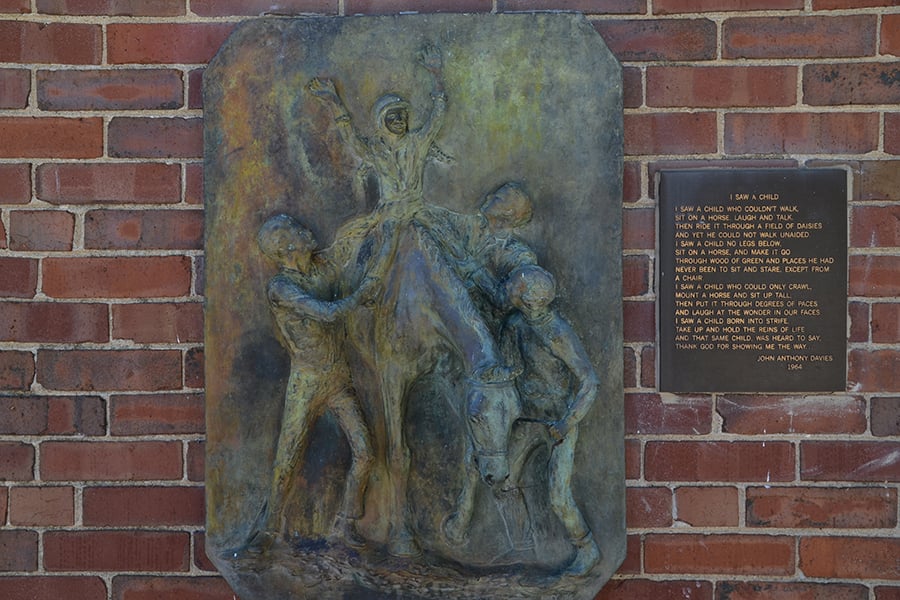
Artist Ann Frey started this bronze relief in the 1960s after reading the poem “I Saw a Child” by John Davies, a renowned expert on therapeutic riding. Brooks McCormick hired Davies in 1974 to direct equestrian operations at the farm and shortly thereafter began the St. James Riding School for the Handicapped. The piece commemorates the school, which married McCormick’s passion for horses to a greater philanthropic cause.

Chamossaire Sculpture

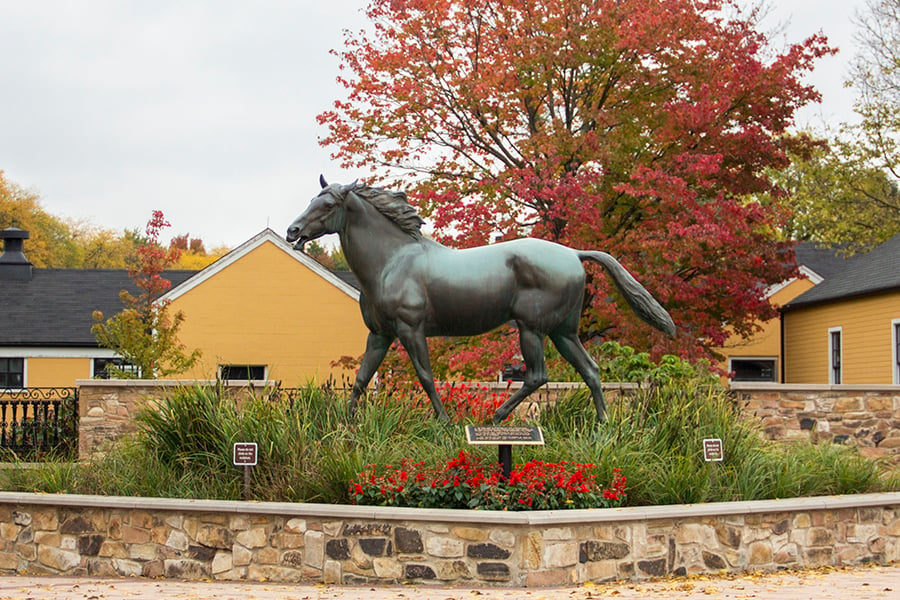
This life-size bronze sculpture of Stanhope Joel’s 1945 St. Leger Stakes champion is a reproduction of a piece by British artist John R. Skeaping. In 1965, Joel commissioned Skeaping to create the original for his breeding farm in Newmarket, England. Skeaping worked for nine months to complete the piece from photographs and his understanding of horse physiology. Brooks McCormick commissioned a second pouring of the sculpture in 1966 to place near his home.

Accessibility

The Forest Preserve District of DuPage County is committed to making its facilities accessible to all visitors. For special accessibility needs or concerns, please contact the District's ADA coordinator at (630) 933-7683 or
TTY (800) 526-0857 at least three business days in advance of your visit.

Brouse Aloud Get Adobe Reader
©2012 Forest Preserve District of DuPage County
EMPLOYMENT   |   BIDS AND PROPOSALS   |   LINKS   |   RULES AND REGULATIONS
CONTACT US   |   PRIVACY POLICY   |   TERMS OF USE   |   SITE MAP